Vape Pod
Vape Tank

What's the Difference Between a Vape Pod and a Vape Tank?

September 15, 2025

Looking at a compact pod system next to a traditional tank-and-mod setup, the differences seem obvious. Yet many vapers remain unclear about which approach actually suits their needs—and why these two technologies evolved along such different paths. 

The distinction between vape pods and vape tanks runs far deeper than form factor alone. These represent two fundamentally different philosophies about how vaping devices should work: pods prioritise integration and simplicity, while tanks embrace modularity and customisation. Each approach excels in different scenarios, yet both can deliver equally satisfying experiences when matched to the right user. 

Vape pods prioritise simplicity and portability with their compact, often draw-activated design and integrated approach to coils and e-liquid storage. Vape tanks, meanwhile, focus on performance and customisation through larger capacities, replaceable coils, and compatibility with high-powered devices. Neither system is inherently superior - the best choice depends entirely on matching the right technology to your specific needs. 

The confusion often stems from the fact that both systems can deliver excellent flavour and satisfaction, but they achieve this through different approaches to design, maintenance, and operation. Understanding these core differences helps you choose confidently between our extensive pod vape kits and vape tanks collections. 

Key Takeaways

  • Vape pods are self-contained systems with integrated or easily replaceable components, perfect for portability and simplicity 
  • Vape tanks use 510 connections and replaceable coils, offering greater customisation. 
  • Pods excel at MTL (mouth-to-lung) vaping with nicotine salts and 50/50 e-liquids 
  • Tanks accommodate everything from MTL to DTL (direct-to-lung) vaping and handle high-VG e-liquids effectively 
  • Your choice should align with your preferred vaping style, maintenance tolerance, and portability requirements 

Pods vs Tanks: Which Should You Choose? 

The fundamental decision comes down to your priorities: simplicity versus customisation, portability versus performance, convenience versus control. 

Choose Vape Pods If You: 

Value portability above all else: Pod systems excel for commuting, travelling, or any situation where pocket-friendly size matters. Their compact profiles and leak-resistant designs make them ideal companions for active lifestyles.

Prefer minimal maintenance: If you want to vape without learning about coil installation, ohm ratings, or wattage curves, pod systems handle the technical aspects transparently. Simple filling or pod replacement covers all your maintenance needs. 


Focus on MTL vaping with nicotine salts:
Pod systems shine with nicotine salt e-liquids and 50/50 blends, delivering smooth throat hits and satisfying nicotine delivery through their optimised low-wattage operation. 


Want guaranteed compatibility:
Pod systems eliminate guesswork - everything works together by design. This peace of mind appeals to users who want reliable performance without researching compatibility matrices.


Choose Vape Tanks If You: 

Enjoy customisation and experimentation: Tank systems reward users who like adjusting their setup, trying different coils, and fine-tuning performance. The extensive coil selection enables tailoring your experience precisely. 


Need more efficient e-liquid usage:
Tank systems reward users with more efficient filling systems and the ability to carry refill bottles rather than multiple pods. 


Want to explore high-VG e-liquids and DTL vaping:
Sub-ohm tanks excel with thick, high-VG e-liquids and can produce substantial vapour clouds impossible with pod systems. This opens up the full range of shortfill e-liquids and cloud-chasing experiences. 


Already own a compatible mod or want modular flexibility:
If you have a 510-compatible device or enjoy mixing different tanks with various mods, the modular approach provides maximum flexibility for expanding or upgrading your setup over time. 

Understanding Vape Pods 

Pod vape kits represent a streamlined approach to vaping where everything integrates into a compact, user-friendly system. The "pod" itself is a self-contained cartridge that holds both the e-liquid and coil (or connects to the coil), clicking or magnetically attaching to a battery component.

Most pod systems feature draw-activated operation - simply inhale to vape, no button pressing required. This makes them incredibly intuitive for new vapers while remaining convenient for experienced users who want something grab-and-go ready. 

Pod systems typically operate at lower wattages (10-30W) and focus on mouth-to-lung (MTL) vaping, though some advanced models support restricted direct-to-lung (RDL) styles. The 2ml capacity limit for UK compliance means frequent refilling or pod replacement, but the compact size makes this manageable for most users. 

Pod System Advantages 

  • The integration approach eliminates compatibility guesswork: Each pod is designed specifically for its device, ensuring optimal performance without needing to research coil options or worry about 510 threading compatibility. 
  • Maintenance stays minimal with most pod systems: Prefilled pod kits require only pod replacement when empty, while refillable pod kits add simple filling but still avoid the coil installation process found in tank systems. 
  • Portability remains a key strength: Pod systems slip easily into pockets without the bulk or potential leaking concerns associated with larger tank setups. Many feature flat, ergonomic profiles that feel natural in hand and disappear when carried. 

Pod System Considerations 

Limited customisation options mean you're working within the manufacturer's design parameters. While this simplifies the experience, it restricts your ability to fine-tune performance through different coil resistances or adjust airflow extensively. 

Capacity constraints from the 2ml UK limit mean more frequent refilling or pod changes compared to larger tank systems. Heavy vapers might find this inconvenient, though modern pod designs increasingly include clever solutions like auto-refill systems to extend usage. 

Understanding Vape Tanks 

Vape tanks take a modular approach where the tank screws onto a separate mod (battery device) via the standard 510 connection. This separation allows mixing and matching different tanks with various mods, creating highly customisable setups. 

Tanks use replaceable coils that you install yourself, offering extensive choice in resistance values, coil materials, and heating technologies. This modularity enables fine-tuning your setup for specific e-liquids or vaping styles, from tight MTL draws to airy direct-to-lung (DTL) hits. 

Most tanks feature adjustable airflow controls, manual firing buttons (rather than draw activation), and variable wattage operation. Capacities are fixed at 2ml maximum, as are all vape products that obey EU/UK TPD regulations. 

Tank System Advantages 

Customisation potential becomes virtually unlimited. Switch between MTL tanks for tight draws and sub-ohm tanks for cloud production, experiment with different coil resistances, and adjust airflow to perfect your draw preference. 

Performance potential reaches higher levels through increased power capability and advanced coil technologies. Sub-ohm tanks paired with powerful mods can handle high-VG e-liquids and produce substantial vapour clouds impossible with pod systems. 

Tank System Considerations 

  • Complexity increases compared to pod systems: You'll need to understand coil compatibility, proper installation techniques, and maintain both the tank and mod components. This learning curve might overwhelm users seeking maximum simplicity. 
  • Size and weight grow considerably with tank and mod combinations: While some compact setups exist, most tank systems sacrifice portability for performance and capacity, making them less pocket-friendly than pod alternatives. 
  • Maintenance requirements include regular coil changes: Proper priming procedures, and cleaning both tank and mod components. While not difficult, these tasks require more involvement than pod system maintenance.

Read More: Which Vape Coils Work Best with High VG, 50/50 and Nic Salt e-liquids? 

Kit + 3 x E-Liquids

Vaporesso Xros 5 Pod Vape Kit

Kit + 1 x E-Liquid

Geekvape Wenax Q2 Pod Vape Kit

Recommended Pod Systems 

Our pod system recommendations showcase the variety available across both prefilled pod and refillable pod categories. Each offers different approaches to the pod philosophy of integrated, user-friendly vaping. 

Prefilled Pod Kits 

  • Elf Bar AF5500 Prefilled Pod Kit: 1000mAh rechargeable system with auto-refill design delivering 5500 puffs. Features 1.2ohm mesh coil and draw-activated operation. Includes 2ml pod with 10ml refill reservoir in popular Elf Bar flavours. 
  • Lost Mary BM600 Prefilled Pod Vape Kit: Rechargeable version of the iconic BM600 with compact matchbox design and colourful styling. Delivers 600 puffs per 2ml pod with 20mg nic salt. Features inhale activation and USB-C charging. 
  • IVG Pro 12 Prefilled Pod Vape Kit: High-capacity system delivering up to 12,000 puffs with 2ml pod and 10ml refill reservoir. Features 1000mAh battery, TFT display, mesh coils, and Boost Mode across 15 bold flavours. 

Refillable Pod Kits

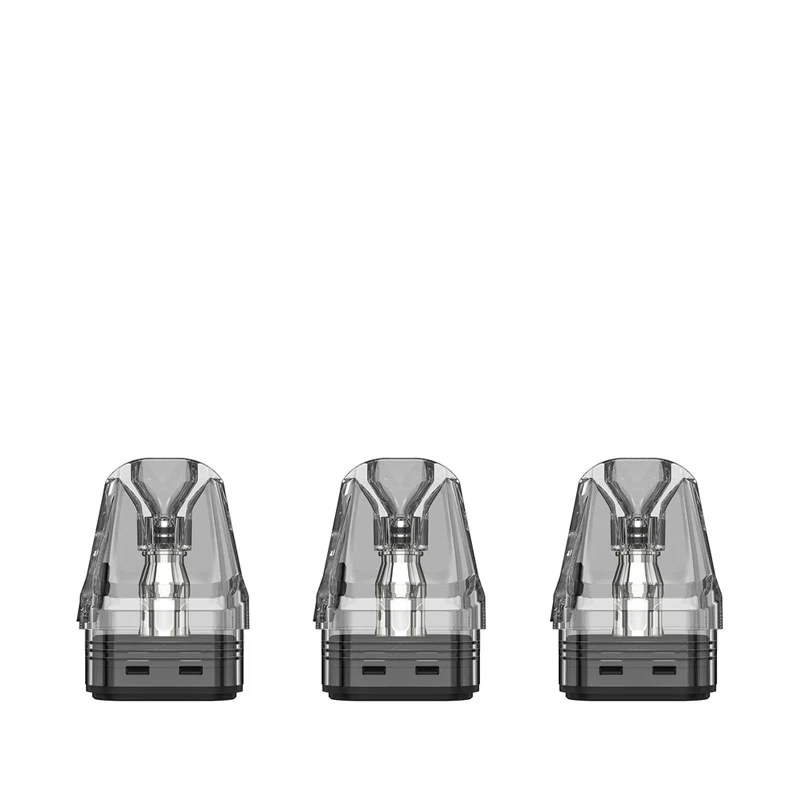
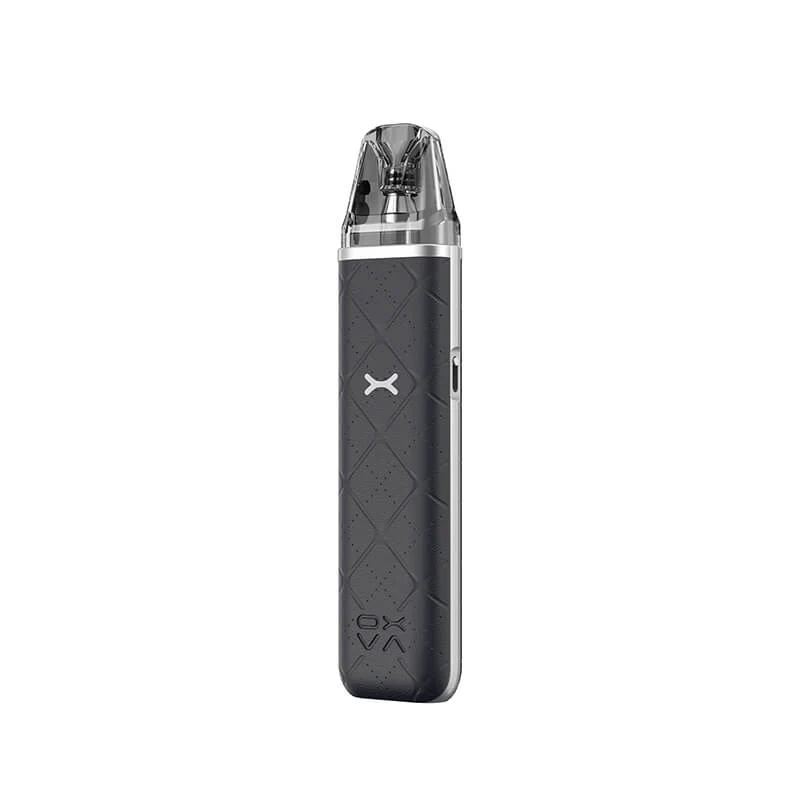
  • OXVA Xlim Go Pod Vape Kit: Compact 1000mAh device with 30W output and adjustable airflow for MTL/RDL vaping. Fixed-coil pods available in multiple resistances (0.4-1.2ohm). Side-fill design with premium materials and portable form factor. 
  • VooPoo Argus Matrix Pod Vape Kit: Cutting-edge, futuristic design with 1350mAh battery, 30W output, and curved full-view screen. Features Smart Mode, dynamic lighting effects, and includes 0.4ohm/0.7ohm mesh coil pods for MTL/RDL vaping. 
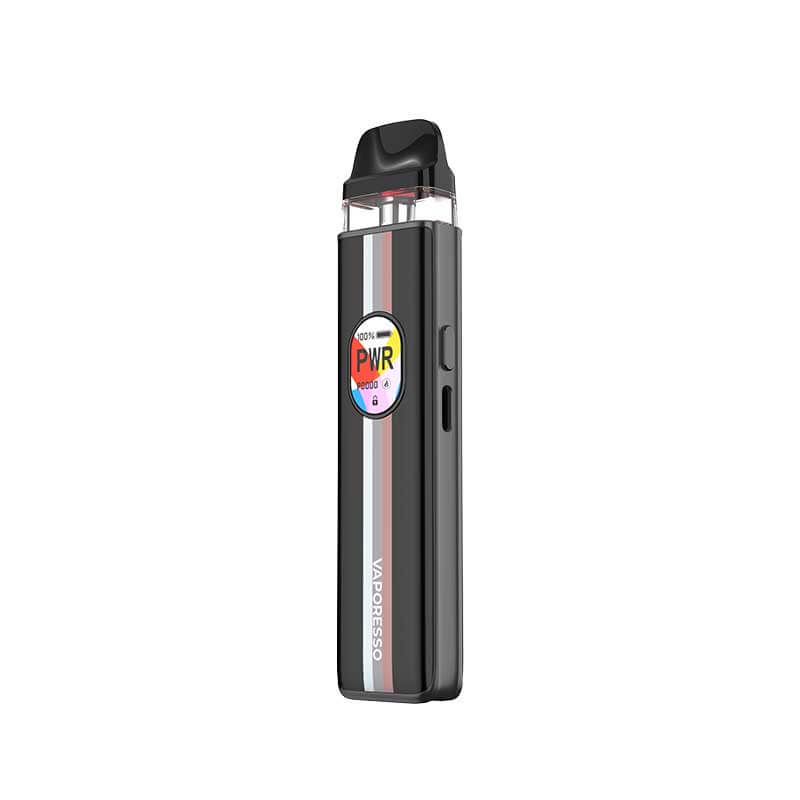
  • Vaporesso Xros 5 Pod Vape Kit: Premium aluminium device with 1500mAh battery, 0.88" HD screen, and three output modes. Features COREX 2.0 heating technology, adjustable airflow slider, and includes 0.6ohm/0.8ohm mesh pods. 

Recommended Tank Systems 

MTL Tanks 

  • Aspire Nautilus 3 Tank: Classic MTL tank with 2ml capacity, adjustable airflow, and compatibility with legendary Nautilus coils. Top-fill design with reliable performance for mouth-to-lung vaping and higher resistance coils (0.7-1.8ohm range). 
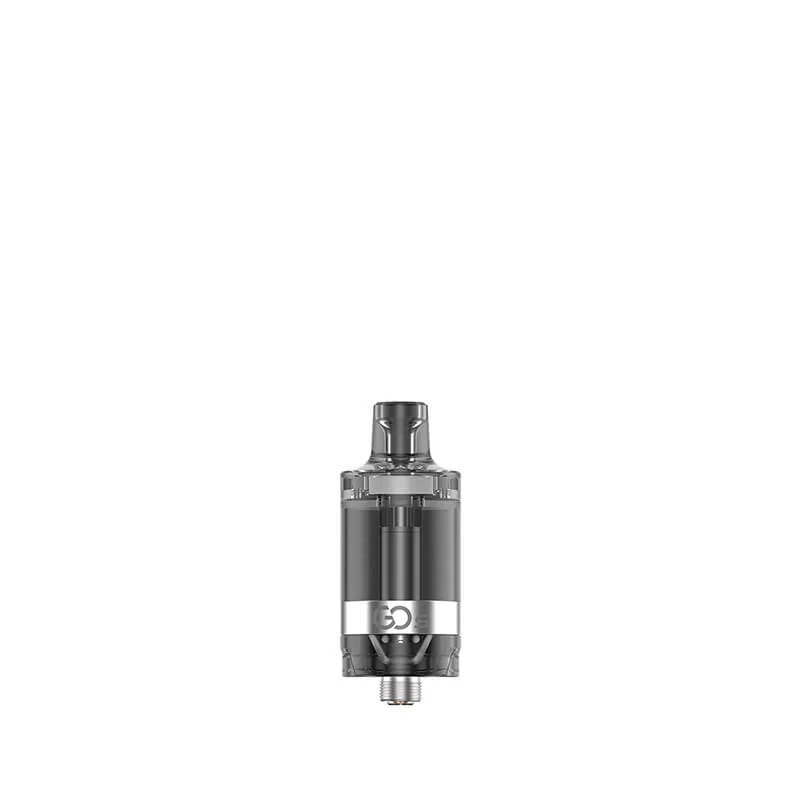
  • Innokin Go S Tank:The Innokin Go S Tank is a top-fill design tank that offers both convenience and affordability. Featuring a silicone seal for leak-proof protection and a specially designed coil with organic cotton and wood-pulp wicking, this tank produces intense and flavourful vapes every time. 
  • VooPoo PnP X Pod Tank: 2ml MTL-focused tank with specialized drip tip and side-fill design. Compatible with PnP X coils, includes 0.6ohm MTL and 0.3ohm DTL coils. Features 510 connection for broad mod compatibility and precise airflow control. 

Sub-Ohm Tanks 

  • Aspire Nautilus 3SR Vape Tank 2ml: Versatile 2ml tank with slide-lift top-fill and adjustable bottom airflow for MTL to RDL vaping. Compatible with full Nautilus coil range plus Triton Mini Clapton coils. Stainless steel and Pyrex construction with customisable drip tips. 
  • VooPoo Uforce-X Nano Vape Tank: High-performance 2ml sub-ohm tank with adjustable top airflow for DTL and RDL vaping. Compatible with PnP X coils and features leak-resistant construction with convenient top-fill design. Ideal for high-VG e-liquids and shortfills. 
  • Vaporesso XTank T Vape Tank:  Compact 2ml MTL tank with top airflow control and leak-resistant design. Uses GTX mesh coils with COREX heating technology. Includes 1.2ohm and 0.6ohm coils for MTL to RDL vaping with 50/50 and nicotine salt e-liquids. 

Conclusion

So, between a vape pod vs tank, which do you feel suits you the best now that we’ve explored the difference between vape pod and tank. Pod systems excel when portability and simplicity take priority, particularly for MTL vaping with nicotine salts. Tank systems reward users who enjoy customisation and want flexibility across MTL to DTL vaping styles. Your choice should reflect your actual usage patterns rather than theoretical preferences. 

Explore our complete pod vape kits and vape tanks collections to find your perfect match. Our Customer Services Team can help you choose the right system for your specific needs. 

What's the main structural difference between pods and tanks?

Pods integrate the coil and e-liquid storage into a single cartridge that clicks or magnetically attaches to a battery. Tanks separate these components, using replaceable coils installed into a tank that screws onto a mod via 510 connection. This affects everything from maintenance to customisation options.

Can I use the same e-liquids in both pods and tanks?

Most pods work best with 50/50 or nicotine salt e-liquids due to their lower power operation and smaller wicking ports. Tanks offer more flexibility - MTL tanks handle the same e-liquids as pods, while sub-ohm tanks excel with high-VG shortfills that might not work well in pod systems.

Which system requires more maintenance?

Pod systems require minimal maintenance - just filling pods or replacing them when empty. Tank systems need coil installation, proper priming, and periodic cleaning of both tank and mod components. However, tank maintenance isn't difficult once you learn the basics.

Are pods or tanks better for cloud production?

Sub-ohm tanks excel at cloud production through high-power operation and low-resistance coils that can handle thick, high-VG e-liquids. Pod systems focus on flavour and efficiency rather than vapour volume, making them less suitable for cloud chasing.

Can I travel easily with both types of systems?

Pod systems travel more easily due to their compact size and leak-resistant designs. Tank systems are bulkier and may require more careful packing to prevent leaking, especially with larger capacity tanks. Both types should have batteries removed or switched off during air travel.

Which system offers better value for money?

This depends on usage patterns. Pod systems have higher ongoing costs through pod replacement but lower initial investment. Tank systems cost more initially but offer better long-term value through cheaper coil replacement and the ability to use larger bottles of e-liquid.